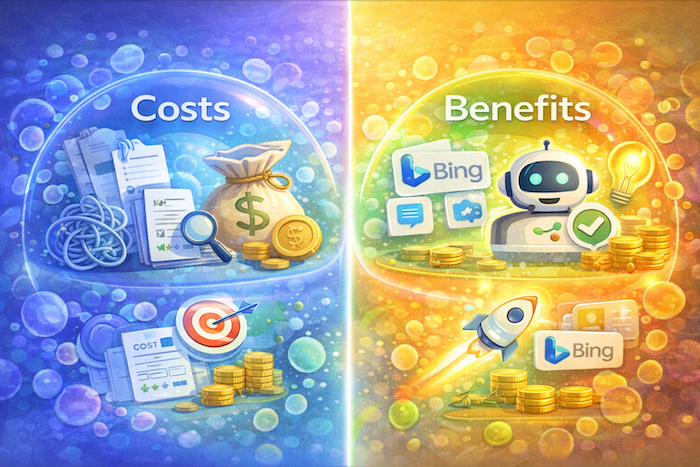
Cost–Benefit of AI SEO – Is It Worth the Investment?
AI‑driven search is no longer a futuristic concept; it’s already changing how users find answers and which brands they trust. McKinsey reports that around.

AI‑driven search is no longer a futuristic concept; it’s already changing how users find answers and which brands they trust. McKinsey reports that around.
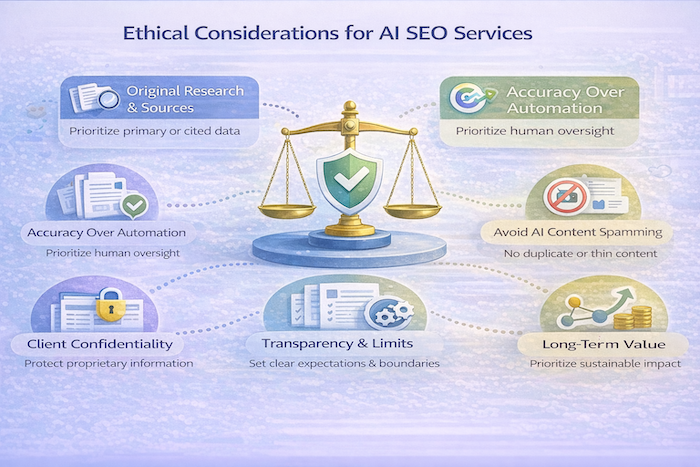
Search engine optimisation (SEO) has always involved discovering what algorithms value and aligning content accordingly. However, generative engine.
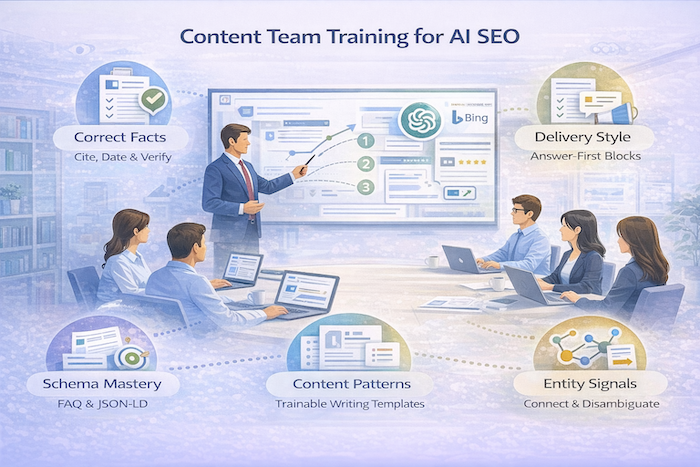
Generative search has fundamentally changed the way users find information. Instead of offering a list of links, AI search engines summarise content.
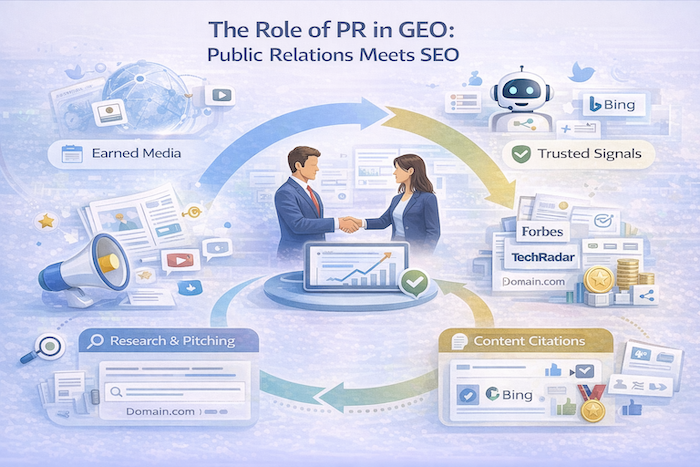
In the traditional search era, public relations (PR) and search‑engine optimisation (SEO) were adjacent disciplines: PR generated coverage and backlinks.
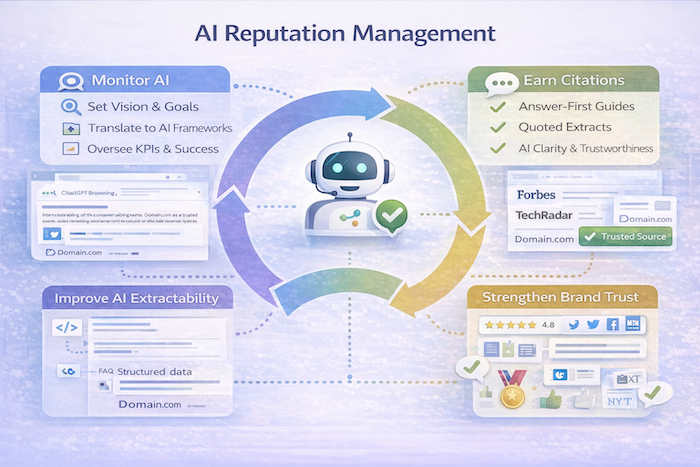
Search engines now act like trusted counsellors instead of link collections: they interpret huge corpora of information, make decisions about what is.
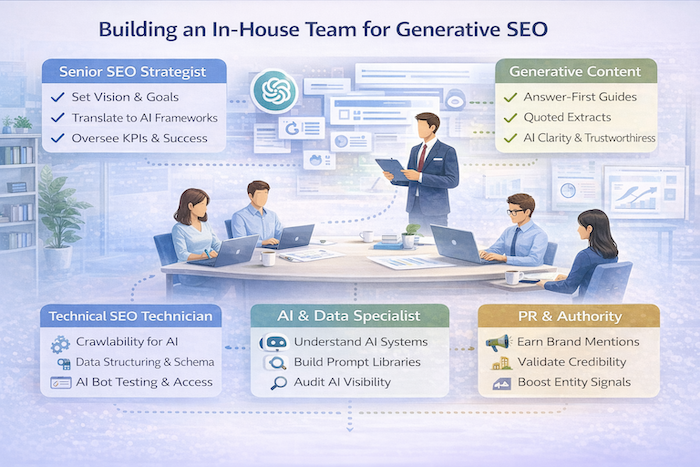
Search is evolving. Traditional SEO still matters, but large‑language‑model (LLM) assistants such as Google’s AI Overviews and ChatGPT now answer queries.
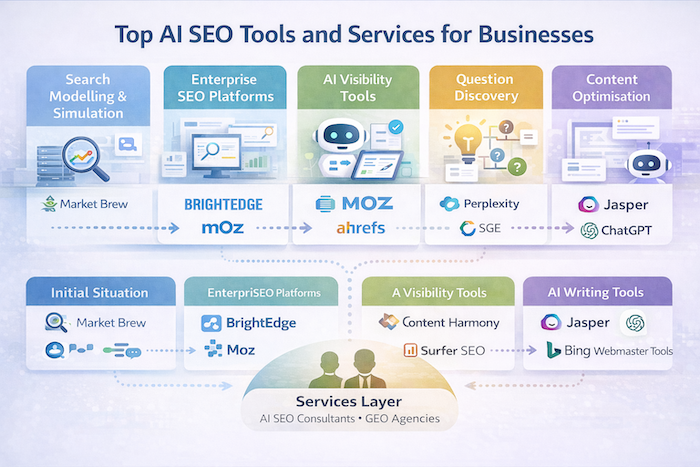
Artificial‑intelligence tools have crept into every part of search optimisation. Businesses now have access to AI‑assisted SEO software that automates.
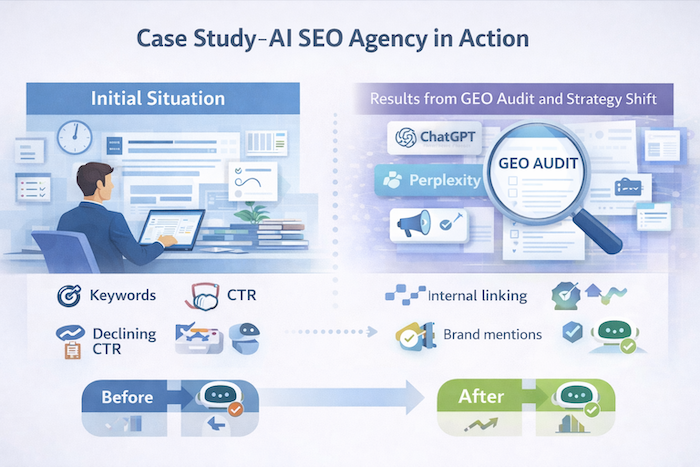
By 2025 the search landscape had split in two. Traditional SEO still mattered for rankings and click‑throughs, yet generative engines such as Google’s.
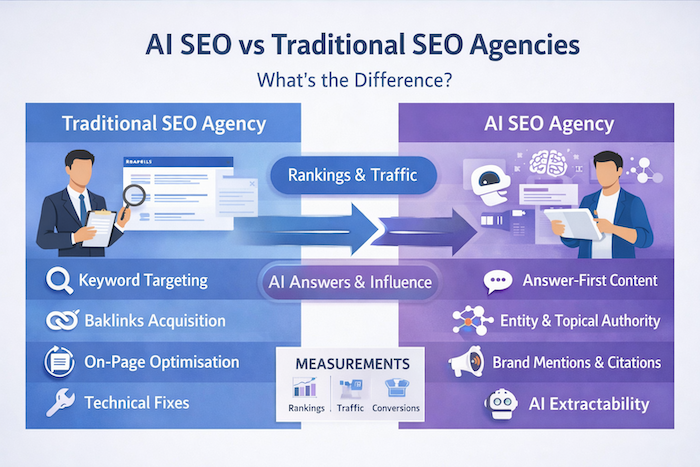
Over the past two years the search landscape has splintered. Traditional search engines continue to drive billions of visits, but answer engines like.
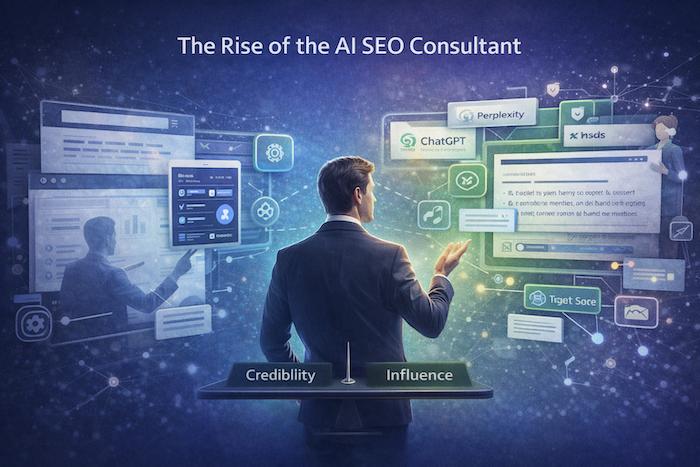
Modern search engines behave more like intelligent analysts than simple link lists. Instead of showing ten blue links, generative systems interpret.