
Long‑Form Content vs. Short‑Form for AI SEO
The shift from blue‑link search results to AI‑generated answers has turned the old debate over content length on its head. In traditional search.
The shift from blue‑link search results to AI‑generated answers has turned the old debate over content length on its head. In traditional search.

Generative search engines do not just index and rank web pages; they synthesise answers from multiple sources and present a single, coherent response to.

Search engine optimization has always been a race against the clock. Brands need fresh, engaging pages to stay visible, and the demand for scale has only.

The web was built for people first and robots second. For decades, the implicit contract between publishers and search engines was clear: search crawlers.

The recent boom in generative AI has extended the web’s reach far beyond blue links and search snippets. Tools like ChatGPT, Google Gemini/Bard.

The rapid evolution of search has created a world where user questions can be answered directly by large language models (LLMs) and other generative.

As generative AI applications move from novelty to necessity, the way information is discovered is being reshaped. Large language models (LLMs) and.

Generative search combines traditional crawling with large language models to produce succinct answers from multiple sources. To be featured in these.

Modern search has evolved from simple keyword matching to sophisticated ai seo strategies that interpret user intent and generate responses. In this.
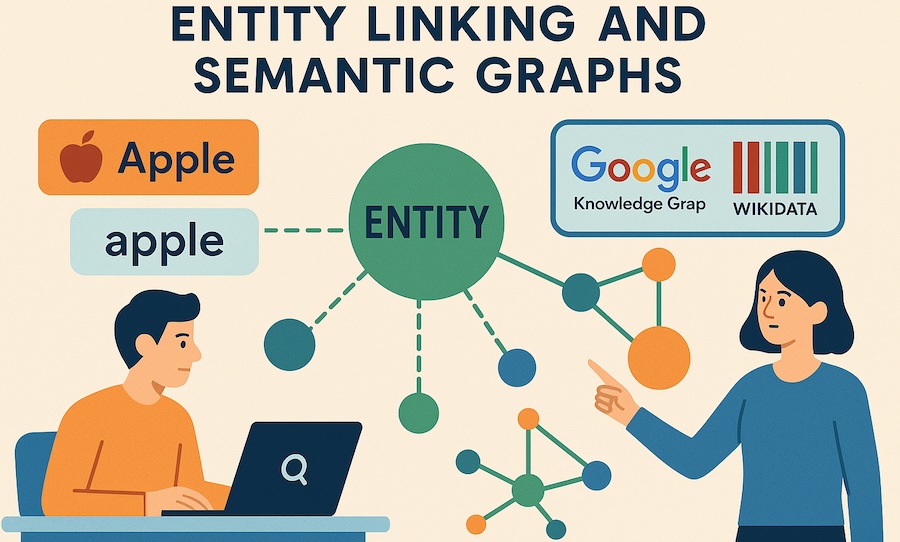
Traditional search engines organised the web by matching keywords in queries to keywords in pages. That approach worked when people typed a handful of.