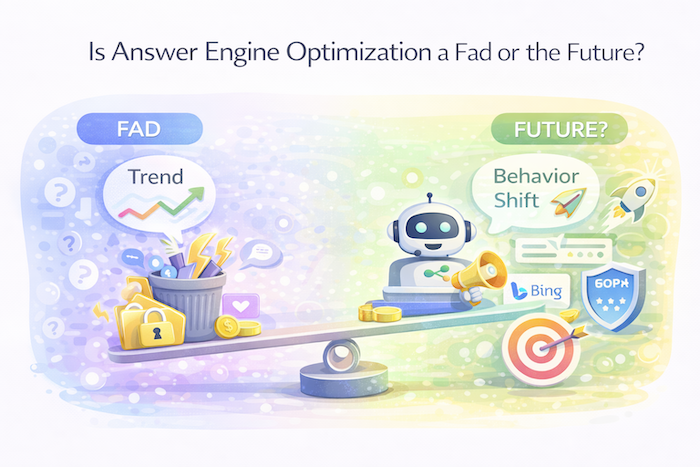
Is Answer Engine Optimisation a Fad or the Future?
Answer Engine Optimisation (AEO) and its cousin, Generative Engine Optimisation (GEO), entered the SEO lexicon in 2024–2025 as AI assistants and.
Answer Engine Optimisation (AEO) and its cousin, Generative Engine Optimisation (GEO), entered the SEO lexicon in 2024–2025 as AI assistants and.

LLMs consume enormous computing resources. OpenAI plans to spend roughly US$1.4 trillion on data‑centre infrastructure in the coming years, so it.

Artificial‑intelligence search engines are reshaping how people find information. Instead of sending users to individual pages via blue links, AI systems.
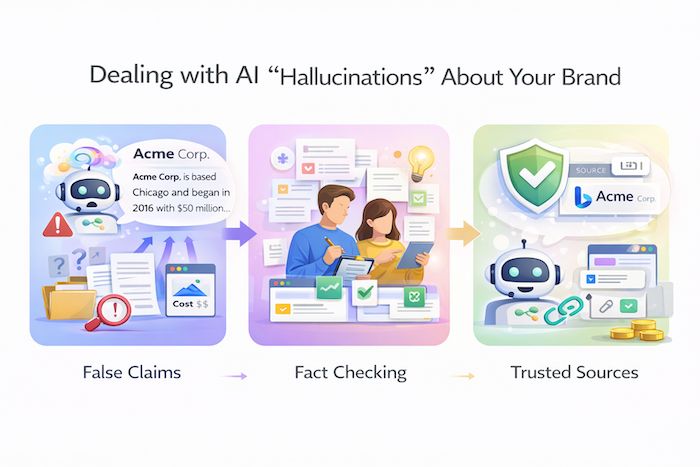
In a digital landscape increasingly mediated by generative search and chat assistants, AI hallucinations —outputs that sound plausible but are factually.
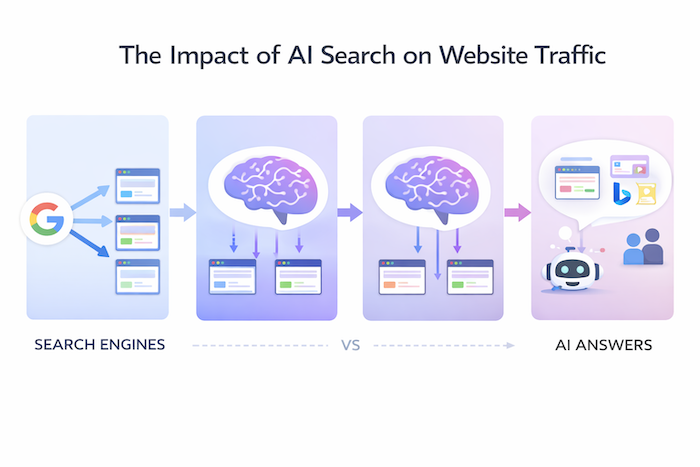
In late 2025 and early 2026 many site owners have reported significant declines in organic traffic even though their pages still rank well in.
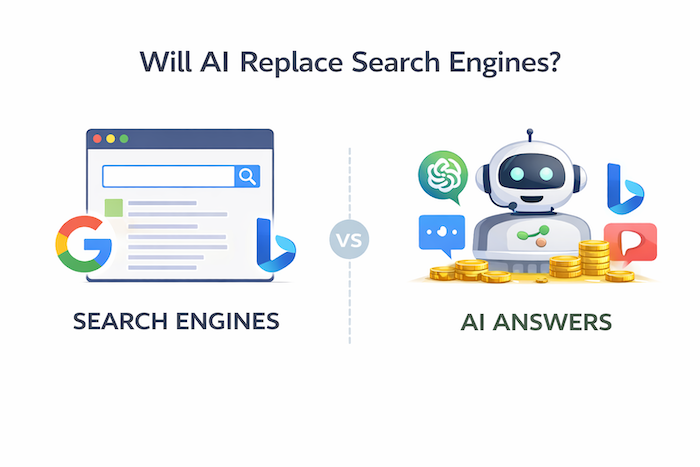
Every few months, headlines proclaim that generative AI will make search engines obsolete . Products like ChatGPT, Gemini and Perplexity instantly answer.
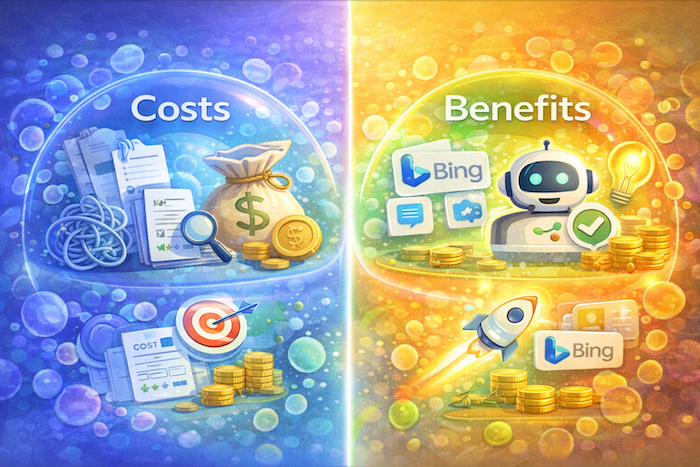
AI‑driven search is no longer a futuristic concept; it’s already changing how users find answers and which brands they trust. McKinsey reports that around.
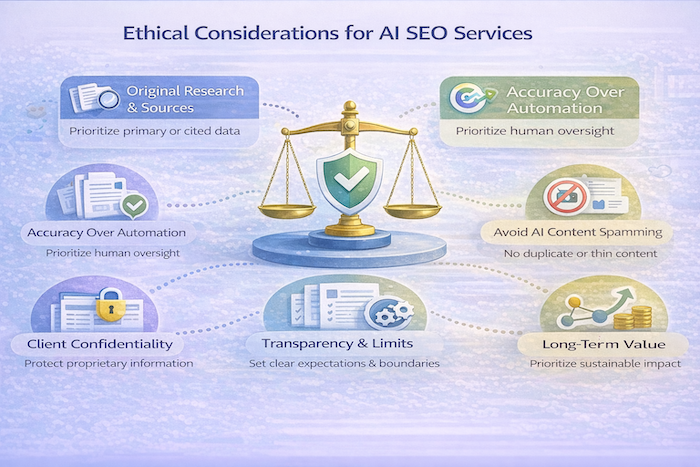
Search engine optimisation (SEO) has always involved discovering what algorithms value and aligning content accordingly. However, generative engine.

Generative search has fundamentally changed the way users find information. Instead of offering a list of links, AI search engines summarise content.

In the traditional search era, public relations (PR) and search‑engine optimisation (SEO) were adjacent disciplines: PR generated coverage and backlinks.
A few lines is plenty. We will come back with straight answers.
Your details are used only to answer your enquiry.