
ChatGPT Ads in the UK: How They Work, Costs and Our First Test
How ChatGPT ads work, how OpenAI bills and targets them, and the real numbers from AiBoost’s UK test: 4,308 impressions, 42 clicks and a £2.08 average cost per click.
How ChatGPT ads work, how OpenAI bills and targets them, and the real numbers from AiBoost’s UK test: 4,308 impressions, 42 clicks and a £2.08 average cost per click.
Smart Bidding, Performance Max, AI Max for Search and automatic asset generation each trade reporting visibility for a different gain. What Google’s own documentation says each one reports, and what it will never show you.

Google Search Console now reports AI Overviews and AI Mode impressions for free, and UK site owners saw it first. Here is the half-day check that shows whether you appear in AI search results, and what the free report leaves out.
UK searches for chatgpt shopping run at 251 a month with a competition index of 4 out of 100. OpenAI’s published product feed asks for nine required fields and currently targets US markets, which puts UK shops on the open-web route. What that means in practice.
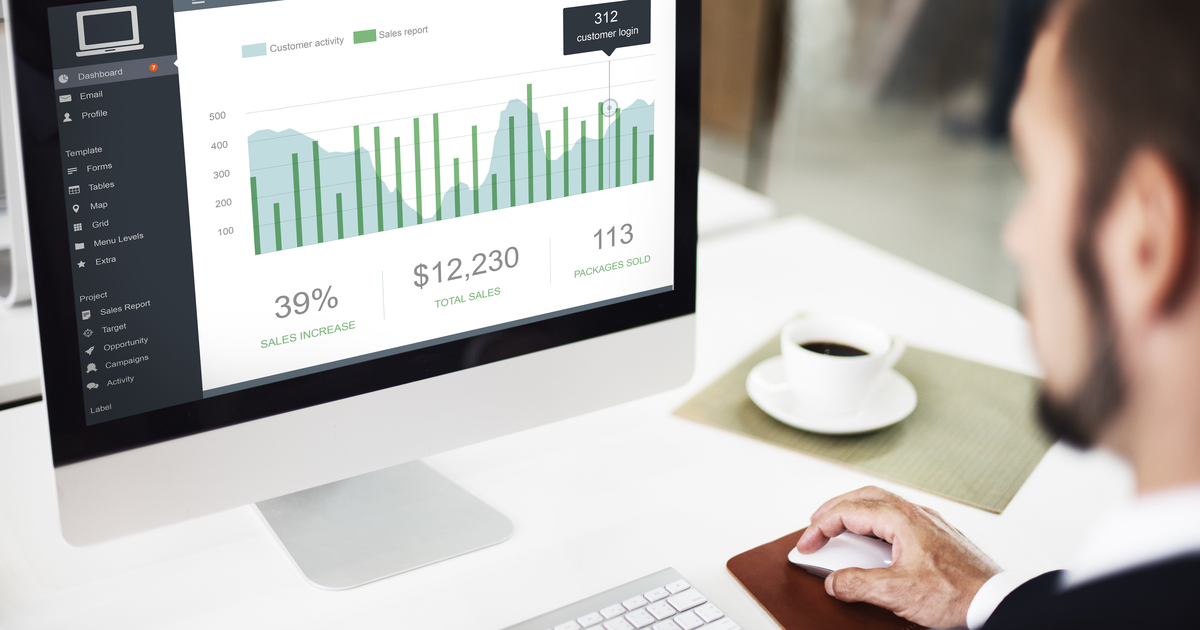
UK searches for AI visibility tracking total roughly 370 a month, yet a click on ai visibility tracker costs £47.00. We unpack the build vs buy decision and the 7 things a weekly tracker must capture.
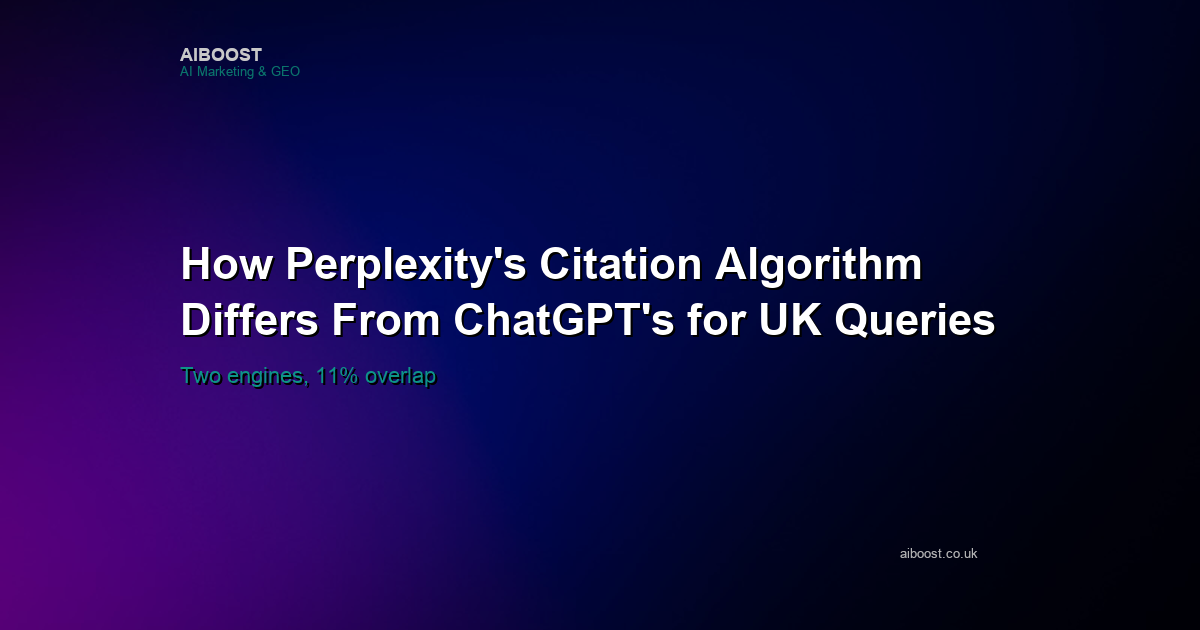
ChatGPT and Perplexity share only about 11% of cited domains. Three levers, retrieval, recency and source-type, explain why the same UK query returns different sources.
Ranking in ChatGPT means being cited inside its answers, not holding a link. Here are the seven proven GEO tactics that lift AI citations, with the research.
We synthesised public ChatGPT prompt-leak reporting, peer-reviewed retrieval research and our 50-query AiBoost behaviour test into a single 14-factor map with confidence scores. 5 high-confidence, 6 medium, 3 low.
We mapped 12 ranking signals against classic SEO and generative engine optimisation. 5 transfer cleanly, 4 do not, and 3 flip. Anchored to Ahrefs 2025, Profound 2025, arXiv 2024 and AiBoost UK panels.
We re-tested the Ziptie (2025) finding that 44.2% of LLM citations come from the first 30% of a page, against 100 UK commercial pages. The UK panel pushed the figure to 47.3%. Layout, not just content, governs citation.
A few lines is plenty. We will come back with straight answers.
Your details are used only to answer your enquiry.